
by Mark Chesnut
Last updated: 5:50 PM ET, Sun August 3, 2025
Surging arrival numbers. New airports and rail service. Increased
connectivity. Mexico’s tourism sector
is in growth mode, as the administration of President Claudia Sheinbaum ramps
up efforts to make Mexico the world’s fifth most-visited country by 2030.
Josefina Rodriguez Zamora, who was appointed Mexico’s
secretary of tourism in October 2024 as part of the new Sheinbaum
administration, spoke with TravelPulse about what’s new on Mexico’s tourism
scene — and what the future might bring.
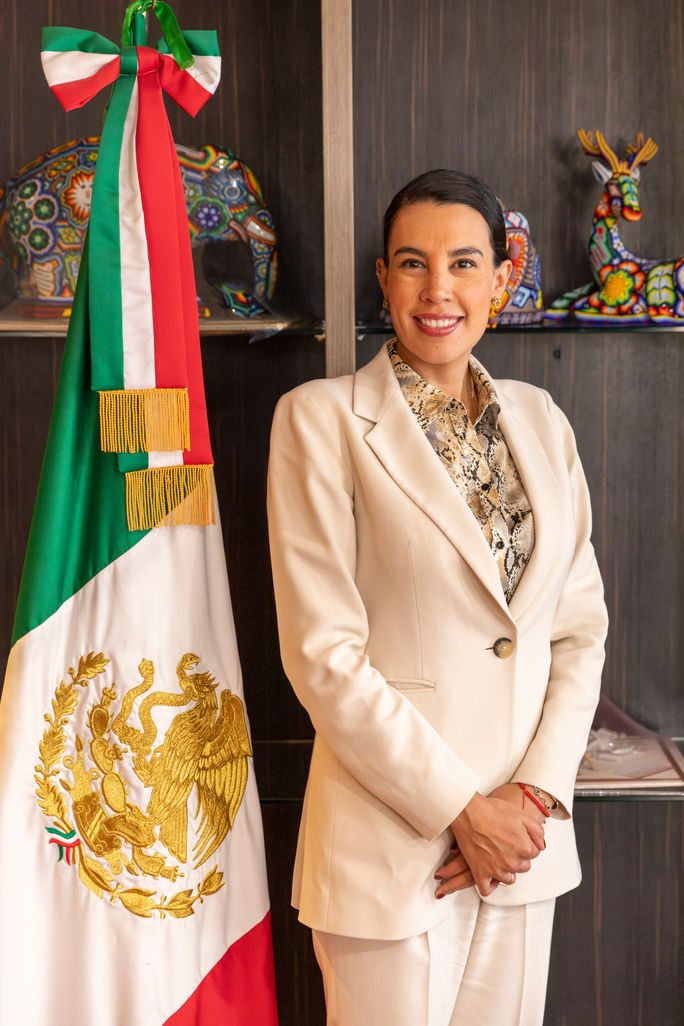
Mexico's Secretary of Tourism, Josefina Rodriguez Zamora. (Photo Credit: Secretaria de Turismo (SECTUR))
To what do you attribute Mexico’s impressive growth in international
arrivals?
The sustained growth we’ve seen from the U.S.
and Canada
is due to a combination of strategic factors. First, air connectivity has
improved. In the first five months of 2025, more than 7.8 million tourists from
these two markets arrived in Mexico — a 6.1 percent increase over the previous year.
The U.S. remains our main source market, with six million
tourists [4.2 percent more than the same period in 2024], while Canada shows even
stronger growth at 11.6 percent. This also reflects the renewed confidence of
international travelers in Mexico as a safe, welcoming and authentic
destination.
Additionally, digital promotional campaigns such as “Latidos
del Mundo” [Heartbeats of the World] have been key to emotionally connecting
with travelers and addressing post-pandemic trends: wellness, nature and
authentic experiences.
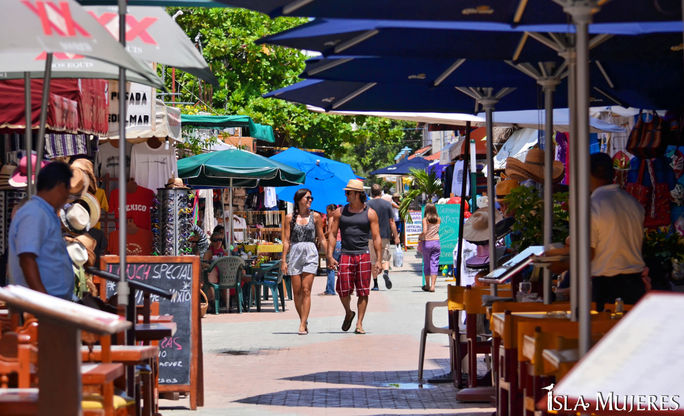
Tourists stroll through a market on Isla Mujeres, Quintana Roo, Mexico. (Photo Credit: Mexican Caribbean Tourism Board)
How does Mexico position itself to compete successfully
against other vacation hotspots?
Mexico is unmatched in cultural wealth, rich history and the emotional
connection it creates with every traveler. We may have spectacular beaches like
other destinations, but what makes Mexico truly unique is that each region has
its own identity, distinctive cuisine and a human warmth that’s felt immediately.
Travel advisors can position Mexico not just as a vacation
destination, but also as a place for transformational experiences that connect the traveler with a
one-of-a-kind cultural and human legacy. Mexico is a destination to fall in
love with, to discover and, above all, to revisit again and again.
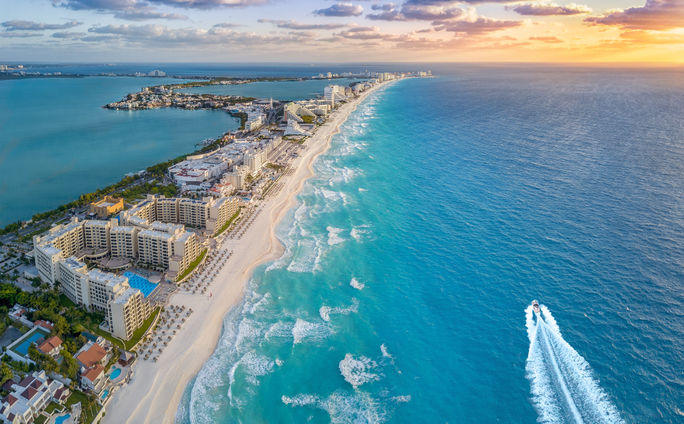
The Hotel Zone in Cancun, Quintana Roo, Mexico. (Photo Credit: Mexican Caribbean Tourism Board)
Mexico has witnessed the opening of new airports in
Tulum, Mexico City and Costalegre, as well as the launch of the first-ever
international scheduled flights in and out of Tepic, Nayarit. Airports like the
ones in Guadalajara and Puerto Vallarta, meanwhile, are expanding. What role does
airport development play in Mexico’s tourism growth?
Investments in airport infrastructure are essential to strengthen tourism in
Mexico so that every visitor can fully enjoy the grandeur of our country. Airports like Tulum and the new international
service in Tepic aren’t just arrival points; they’re real drivers of regional
development.
These new facilities and expansions improve access to
emerging and less-explored destinations, allowing tourists to explore more
corners of Mexico with greater comfort and ease. They also help relieve
congestion at [other] airports, enhancing the travel experience from the moment
of arrival.
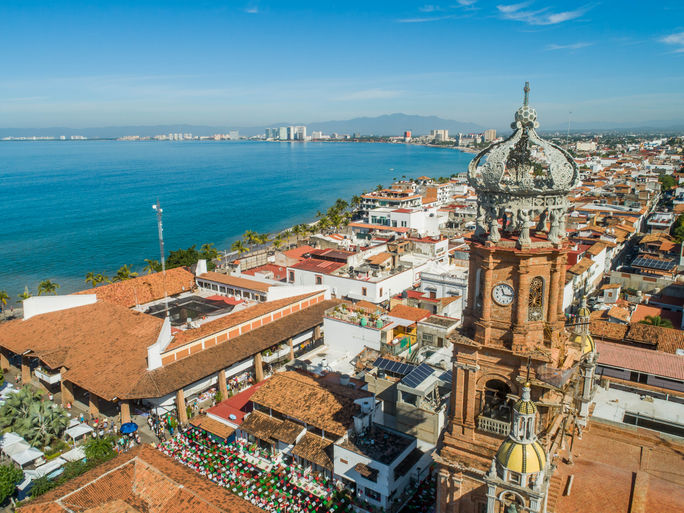
Outlook over Puerto Vallarta, Jalisco, Mexico. (Photo Credit: Puerto Vallarta Tourism Board)
What effect has the new Felipe Ángeles International
Airport had on Mexico City and the nation’s air travel scene so far?
Felipe Angeles International Airport has been one of this government’s most
significant infrastructure projects. It’s not just a way to ease congestion at
Benito Juarez International Airport; it’s also a modern, functional facility —
and I dare say one of the nation’s most beautiful airports.
Little by little, domestic and international connectivity
has grown, and it’s establishing itself as a viable and convenient alternative
for domestic as well as foreign travelers. In addition, the future rail
connection with downtown Mexico
City will further enhance accessibility and integrate it fully as part of
the capital’s mobility network.
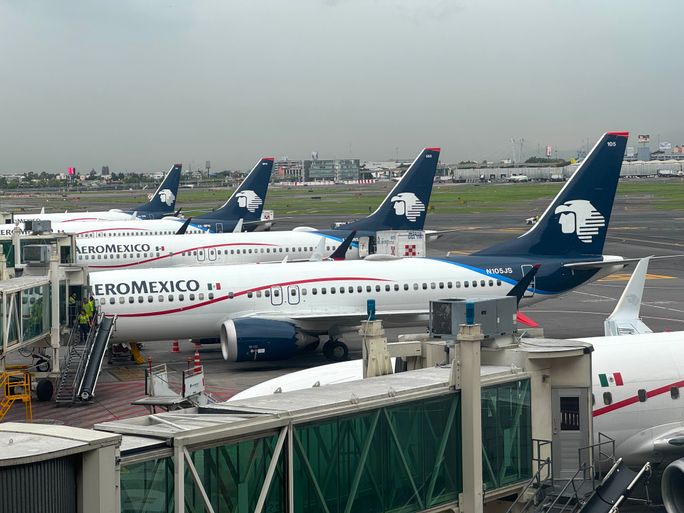
Benito Juarez International Airport in Mexico City, Mexico. (Photo Credit: departurelevel.com)
The Tren Maya (Mayan Train) was
completed at the end of last year. What impact is this new rail service having on
tourism, communities and the environment?
The Tren Maya is one
of Latin America’s most ambitious sustainable mobility projects. It links five
southeastern Mexican states, providing access to archaeological zones,
indigenous communities and Magical
Towns, with a cultural, social and ecological focus.
So far, it has carried more than 1.3 million passengers and
boosted hotel occupancy in the Maya world region. It’s creating jobs and local
development while respecting the environment through eco-stations, wildlife
corridors and clean energy.
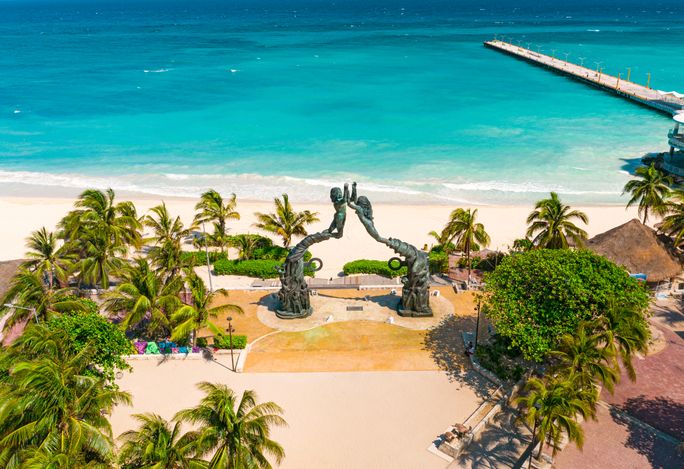
Playa del Carmen, Quintana Roo, Mexico. (Photo Credit: Mexican Caribbean Tourism Board)
There’s talk of expanding long-distance passenger rail
service in other parts of Mexico. What role will trains play in Mexico’s
tourism future?
The government of President Claudia Sheinbaum has made it
clear that passenger trains are a strategic part of the nation’s future. They
represent not just a cleaner, more efficient transportation alternative; they also
permit the integration of regions that have been historically disconnected, the
strengthening of tourist destinations and the generation of shared prosperity
for local communities.
The Tren Maya is a current example of this new paradigm, but
it’s not the only one. Routes are already being on worked on, like the Tren Interoceanico [Interoceanic
Train], and corridors are planned to Querétaro, Pachuca, Guadalajara and other
northern regions. These initiatives are the result of a long-term vision that
aims to diversify national mobility, improve the travel experience and position
Mexico as a leader in sustainable, inclusive tourism.
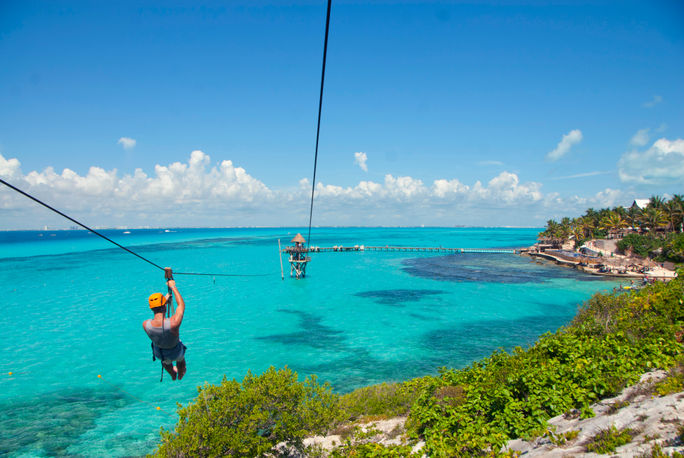
Ziplining on Isla Mujeres, Quintana Roo, Mexico. (Photo Credit: Mexican Caribbean Tourism Board)
What more can you tell us about the Tren Interoceanico?
The Tren Interoceanico,
which links Salina Cruz [Oaxaca] and Coatzacoalcos [Veracruz], supports tourism
in the Isthmus of Tehuantepec, and reactivates the cultural and economic
potential of the region. It will include passenger and tourist train services
along the corridor.
We’re also evaluating additional rail routes in urban and
regional areas, always aiming for a modern, efficient and environmentally
responsible transportation model.
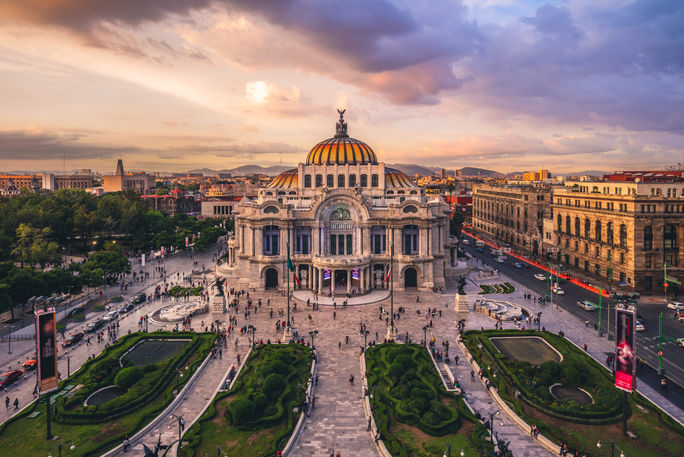
The Palace of Fine Arts in Mexico City, Mexico. (Photo Credit: AdobeStock/Richie Chan)
The Sheinbaum administration has shared its strategy for
economic and infrastructure growth through 2030. What does the future of
Mexican tourism look like?
Mexico has a bright future in tourism, grounded in cultural
and natural wealth, and the warmth of its people. Under the leadership of
President Claudia Sheinbaum, we’re promoting sustainable, community-based
tourism that boosts shared prosperity and authentic experiences beyond sun and
sand.
The Mexico
2030 Plan is our roadmap to rank among the world’s top five
destinations, with clear goals to grow employment, investment, connectivity and
revenue. Modern infrastructure, like new airports and trains, facilitates
mobility and opens up emerging destinations.
In addition, campaigns like “Heartbeats of the World” build
traveler trust, as evidenced by sustained tourism growth, especially among
women who see Mexico as a safe, welcoming country.
With innovation, inclusiveness, and respect for the environment,
Mexico is established as a global destination that invites the world to
discover, to fall in love, and to come back again.
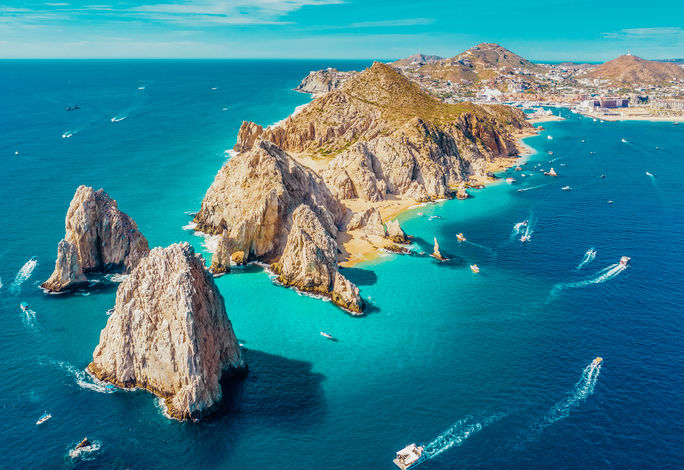
The stunning beauty of Los Cabos. (Photo Credit: Los Cabos Tourism Board)
Mexico’s Secretary of
Tourism is staging a "Meet Mexico" travel trade roadshow that will visit various
cities in the United States and Canada. Dates are as follows:
- Chicago and Toronto: August 25–29, 2025
- Dallas and Houston: September 9–13, 2025
- San Francisco and Los Angeles: October
7–11, 2025
- Montreal and New York: November 10–14, 2025
For the latest travel news, updates and deals, subscribe to the daily TravelPulse newsletter.
Topics From This Article to Explore


