If you’re flying
to Europe anytime soon, take note: the European
Union’s long-awaited Entry/Exit
System (EES) officially launches today, October 12.
After years of
planning and multiple delays, the EU is finally rolling out this new border
security system across the Schengen area, which includes 29 countries. Its goal
is to better track who’s coming and going, and how long they’re staying, by
collecting biometric data like fingerprints and facial scans from travelers who
aren’t EU citizens.
While the rules on
who can enter Europe haven’t changed, the process at the border will. Here’s
what travelers should know.
What Is the
EES?
The Entry/Exit
System is designed to record and monitor travel by third-country nationals —
that’s anyone who isn’t a citizen of the EU or Schengen-associated nations.
Think of it as Europe’s version of what the U.S. already does when visitors
arrive.
Each time a
traveler enters or leaves the Schengen Zone (which includes all EU countries except
Ireland and Cyprus, as well as Switzerland, Iceland, and Norway), their fingerprints
and a photo of their face will be collected, along with basic passport
information and travel details.
The system has a
few main goals: enhancing security by identifying criminals and preventing
illegal border crossings, and monitoring travelers’ length of stay to prevent
overstays. Note that visitors from outside the EU are only allowed to spend 90
days within any 180-day period in the Schengen area. Border crossings throughout
the bloc are already equipped with rows of self-service kiosks where travelers
can complete their registration.
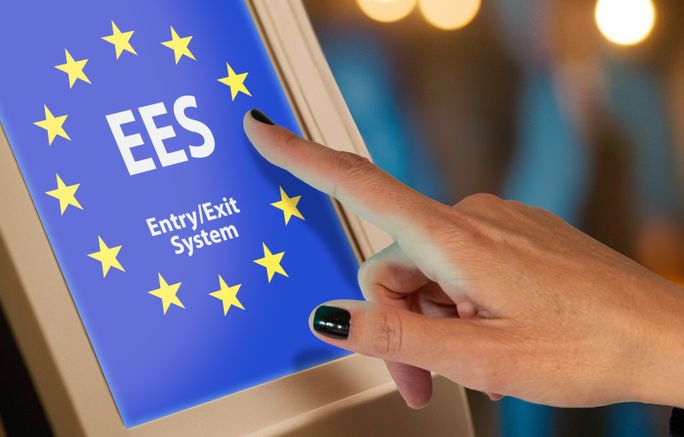
Woman using an EES self-service kiosk. (Photo Credit: Adobe Stock/tanaonte)
How Does It
Work?
The first time you
travel to Europe after today’s launch, expect a slightly longer process at the
border. You’ll need to create your EES record by having your fingerprints and
photo taken, and your passport data scanned at a self-service kiosk or immigration
desk.
Once that’s done,
future trips should be quicker. Automated gates and facial-recognition systems
will verify your identity against the data already stored.
Where Will It Be
Implemented?
According to CNN,
each participating country can decide where and how to implement the EES, but at
least one border crossing in every member state goes live today. Over the next
six months, more airports, seaports and land crossings will begin using the
system.
Because the
rollout is gradual, many travelers will still receive passport stamps during
the transition period. Once the EES is fully in place (expected by April 2026),
those physical stamps will be phased out completely.
During this period,
there are set benchmarks that each nation must meet. Within the first 30 days,
at least 10 percent of travelers must be processed through the EES; after 90
days, that figure should rise to 35 percent; by 150 days, 50 percent; and by
the 180-day mark (April 9), every traveler entering or leaving the Schengen
area must be registered through the system.
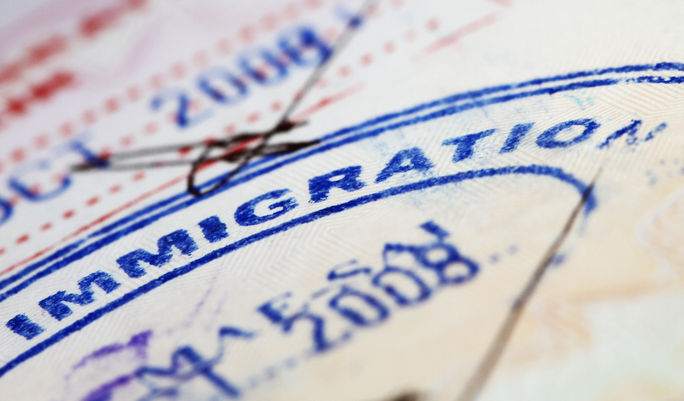
The EU is phasing out physical passport stamps in favor of the new EES system. (Photo Credit: Adobe Stock/charles taylor)
What Data Will Be Gathered?
When you arrive in
Europe, expect to have your fingerprints taken and your photo snapped as part
of the new system. Border officials will also record your passport details (your
full name, date of birth and travel document number) along with when and where
you enter and exit the Schengen area. If you’re ever denied entry, that’ll be
noted, too. You’ll likely be asked a few simple questions about where you’re
staying and whether you have enough money to cover your trip before you’re
cleared to go.
What Happens To
Your Data?
Your biometric
data will be stored securely for three years, and the system follows strict EU
privacy rules. If you don’t travel again within that period, you’ll need to
re-register on your next trip.
Children under 12
won’t need to provide fingerprints, but will still have their photo and
passport information recorded.
Bottom Line
As of today, the
EU’s new Entry/Exit System is officially live. Travelers should plan for a few
extra minutes at immigration, as the new technology gets up and running.
While the system
may cause short-term delays, it’s designed to make future travel smoother, more
secure and fully digital, marking the beginning of a new era for crossing
Europe’s borders.
For the latest travel news, updates and deals, subscribe to the daily TravelPulse newsletter.
Topics From This Article to Explore


